
The Illusion of Control
The difference between responsible planning and the illusion of control.
Control usually does not look dramatic. It looks responsible.
That is why it hides so well. It shows up as planning, discipline, leadership, foresight. It rarely announces itself as fear. It just shows up as the need to manage outcomes, reduce uncertainty, and keep life inside boundaries we can understand.
I know that instinct well because it is one of my defaults.
Original image source (review before reuse)
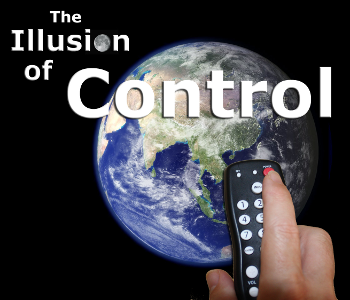
I like plans. I like backup plans to those plans. I like structure. I like knowing what is next. I like thinking through risks before they happen. Sometimes that is wisdom. But a lot of the time, it is just my way of trying to feel safe in a world that refuses to stay manageable.
That is the problem with control. It feels powerful, but most of it is fiction.
You can sit on an airplane and feel calm because you booked the ticket, packed carefully, and picked your seat. But once the door closes, you are just a person in a chair, thirty thousand feet in the air, trusting forces you do not control and people you do not know. That is not just flying. That is life.
The earth is rotating right now, and none of us are holding it steady. Your heart is beating without your permission. Your lungs keep working while your mind is somewhere else. You can build a schedule, save money, make wise decisions, and still get blindsided by sickness, loss, failure, betrayal, or change.
We control far less than we pretend. And yet we crave control constantly because it feels like protection. It tells us that if we prepare enough, think enough, and manage enough, life will stay contained. It promises peace through vigilance.
That promise is empty. Control does not produce peace. It produces anxiety. It results in exhaustion.
You replay conversations that have not happened yet. You overthink decisions because you are trying to eliminate risk that cannot actually be eliminated. You call it being proactive. Sometimes it is just unbelief with a more respectable name and packaging.
That is where this stops being a personality trait and becomes a spiritual issue.
Control is about lordship. Who gets to be God? James does not soften this. “You do not know what tomorrow will bring.” Instead, “If the Lord wills, we will live and do this or that” (James 4:13-15). That is the issue. Not planning, but pretending I am sovereign.
Because every time I grip harder, every time I act like everything depends on me, I am stepping into a role that does not belong to me.
Scripture is clear. We are creatures, not the Creator. We are finite, limited, dependent. We do not know what tomorrow brings. We do not see the whole picture. God does. That is not a minor theological point. It is one of the most basic facts of reality.
And it should be a relief.
Because the burden of control crushes people. We were never built to carry sovereignty. We were never meant to hold the whole map in our hands. When we try, the result is not strength. It is anxiety, frustration, and quiet despair. Deep down, we know the illusion can break at any moment.
That is why surrender feels so offensive. It means I am not in charge. It means my plans are not ultimate. It means my intelligence, discipline, and preparation are useful, but they are not sovereign. God is not my assistant. He is not here to help me execute my preferred version of life. He is the Father. He rules. I do not.
That cuts against everything in me that wants control. But it is also where peace begins.
Real peace begins when I stop confusing my responsibility with His sovereignty. The Father is in control of what I cannot hold together. He sees what I cannot see. He knows what I do not know. He is not confused by what confuses me.
That does not mean life becomes easy. It means I am not abandoned to chaos. The Father still reigns. He is still good. He is still not scrambling.
The illusion of control feels safe because it lets me pretend I am incharge. It is also a prison.
The better way is harder, but truer. Plan. Work hard. Be responsible. But do not confuse wisdom with control. Do not confuse vigilance with faith.
Open your hands. Trust in your Creator God. You were never the one keeping the plane in the air. You were never the one holding the world together.