
The Ticket, the Judge, and the Cross
Justice, mercy and grace meet at the cross of Jesus Christ.
Original image source (review before reuse)
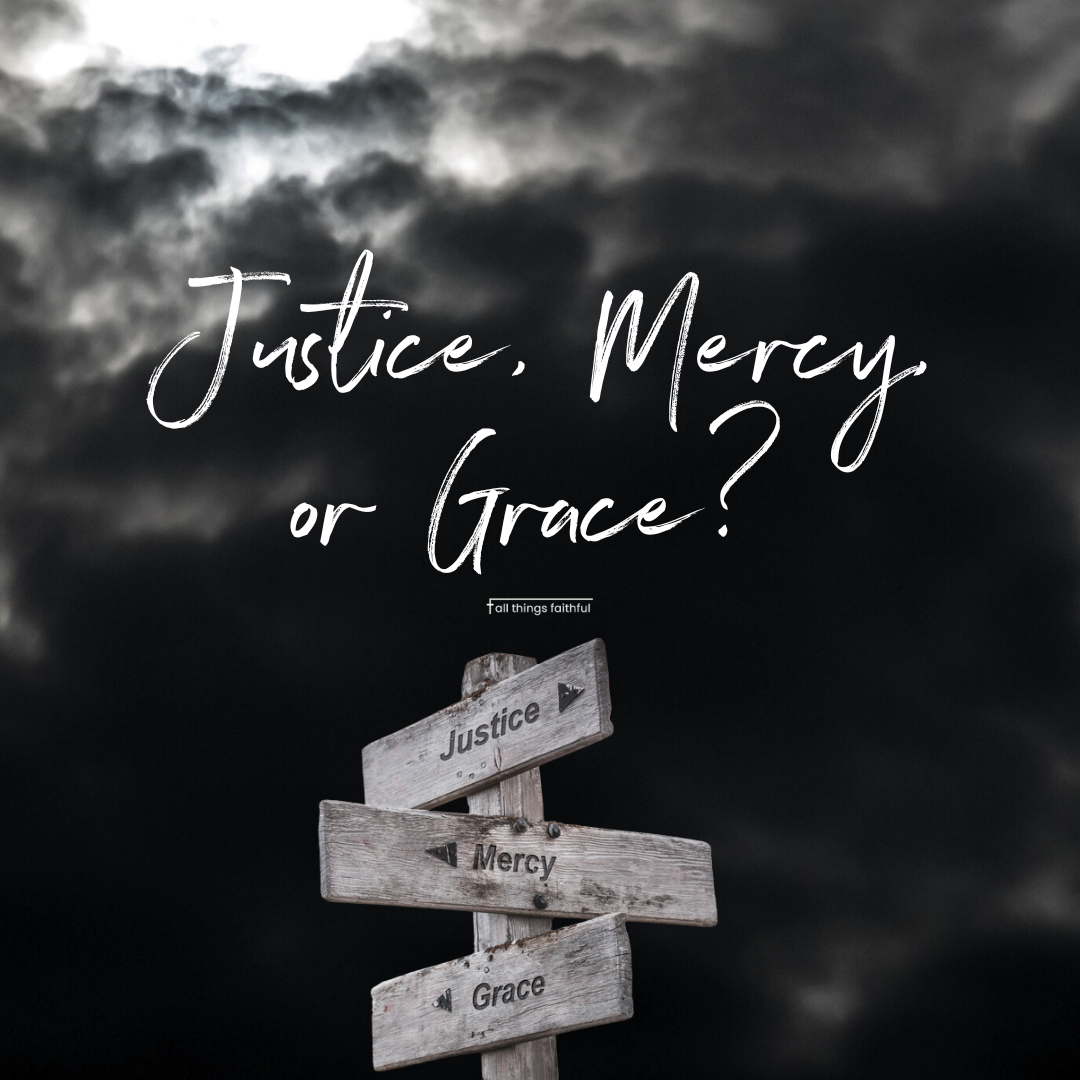
We like justice when someone else is guilty. We like mercy when we are guilty. We like grace in theory, until we realize grace means we were never the hero of the story. That is why these words matter. Justice, mercy, and grace are not soft religious ideas. They expose us.
Justice is getting what you do deserve. Mercy is not getting what you deserve. Grace is getting what you do not deserve. That is simple enough to say, but hard to face, because most of us spend our lives wanting justice for other people and mercy for ourselves. We want the world to be fair until fairness turns toward us.
Imagine you are pulled over for speeding. Not barely speeding. Not a technical mistake. You saw the sign, you saw the speedometer, and you kept going anyway. The lights flash behind you, your stomach drops, and suddenly all your excuses feel thin. You can explain your morning, your stress, your hurry, your good driving record, but none of that changes the truth. You are guilty. You broke the law.
Justice is the officer writing the ticket. That is not cruelty. That is not hatred. That is not the officer being judgmental. Justice simply tells the truth. There was a law, you violated it, and now there is a consequence. We may not like justice when it costs us something, but without justice, wrongdoing becomes meaningless. Evil gets shrugged off. Harm gets minimized. The guilty get protected while the wounded are told to move on.
Mercy is the officer closing the ticket book and giving you a warning. You still broke the law. Mercy does not pretend innocence. It does not rewrite the story so you can feel better. Mercy looks at real guilt and withholds the punishment. You deserved the fine, but you did not receive it. You deserved the consequence, but you were spared.
Grace goes further. Grace is not only the ticket being withheld. Grace is the officer paying the fine, fixing what was broken, and helping you home when you had no claim on his kindness. Grace is not merely the absence of punishment. Grace is the presence of undeserved goodness. It does not just remove what you earned. It gives what you could never earn.
That is why grace offends pride and cannot be earned. Grace means I was not forgiven because I was secretly better than I looked. I was not rescued because God saw some hidden greatness in me that made me worth saving. Grace means I was guilty, exposed, unable to pay, and still loved. Not because sin was small. Not because justice did not matter. But because God chose to bear the cost Himself.
A lot of people want a God of mercy with no justice. They want forgiveness without judgment, love without holiness, grace without blood. But that is not the gospel. A God who ignores evil is not good. A judge who waves away abuse, betrayal, cruelty, and sin is not loving. If someone destroys your family, wounds your child, lies to your face, or crushes the weak, you do not want a universe where God says, “It is fine.”
You want justice because justice means the wound mattered.
But then justice turns toward us, and the room gets quiet. Scripture does not let us keep judgment aimed only at the people we dislike. It tells the truth about them, but it also tells the truth about me. My selfishness. My pride. My lust. My envy. My lies. My coldness toward God. My ability to condemn in others what I excuse in myself. The Bible does not flatter us. It tells us we are not merely mistaken. We are guilty.
That is why the cross is not decoration. It is not a religious symbol for vague hope. It is not God giving humanity a motivational speech. The cross is what happens when justice, mercy, and grace all meet in the body of Jesus Christ. Justice says sin deserves judgment. Mercy says sinners can be spared. Grace says the Son of God will take the judgment Himself and give sinners life they did not deserve.
Jesus did not come because we were mostly good people who needed encouragement. He came because we were dead in sin and could not raise ourselves. He came because the debt was real, the guilt was real, and the love of God was more real still. He did not deny justice. He fulfilled it. He did not minimize sin. He carried it. He did not stand far away from guilty people and offer advice. He stepped into our place.
That is the scandal of grace. The innocent One takes what the guilty deserved, and the guilty receive what only the innocent One deserved. Jesus takes the shame, the nails, the blood, the wrath, the grave. We receive forgiveness, adoption, righteousness, resurrection, and life. That is not fair. It is better than fair. It is grace.
And grace should not make us casual about sin. It should make sin look more serious, because now we see what it cost. Every cheap view of grace dies at the cross. Jesus was not bruised for a misunderstanding. He was not mocked for a minor flaw. He was not nailed to wood because humanity needed a little guidance. He died because sin kills, judgment is real, and mercy had to come through blood.
But grace should also make us humble. Grace deserves a response. If I understand grace, I cannot look down on other sinners as if I climbed into God’s favor. I did not climb. I was carried. I did not pay. I was forgiven. I did not earn a seat at the table. I was invited by the One who bore my shame and called me His own.
Justice gives us what we deserve. Mercy withholds what we deserve. Grace gives us what we do not deserve.
And at the center of it all stands Jesus Christ, the only One who deserved glory, yet took the cross, so that people who deserved judgment could receive life.
Grace is not fair. And that is the whole point.
This video helps frame the deeper question: how does God deal with evil without simply destroying the people He loves?
Watch on YouTube: BibleProject: Sacrifice and Atonement